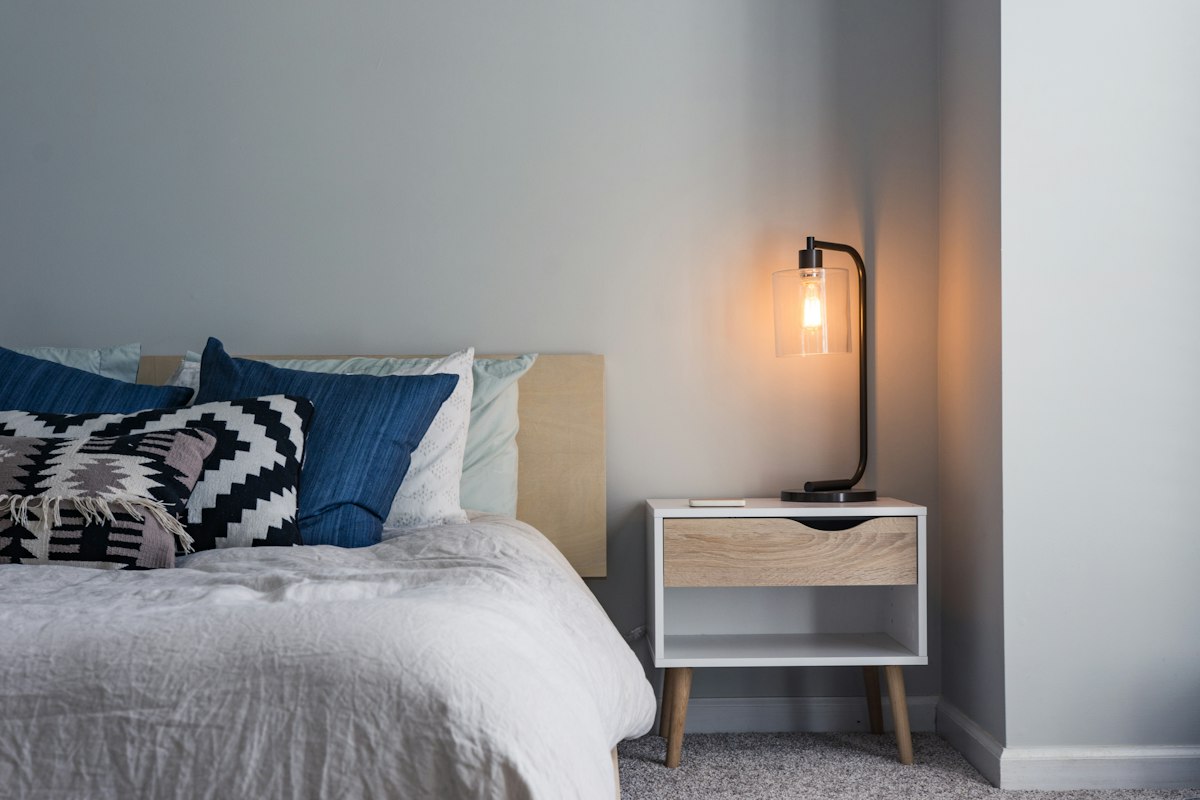

Co-living spaces are redefining modern accommodation, offering community living with shared amenities. However, managing electricity billing in these spaces presents unique challenges — balancing individual consumption with shared facilities, ensuring fairness, and preventing misuse.
Prepaid energy systems provide the perfect solution, addressing all these challenges while creating better living experiences for residents. ⚡
1. The Co-Living Challenge
Unique Billing Challenges
Co-living spaces face specific challenges:
- Shared vs individual usage — common areas vs private rooms
- Multiple tenants — different consumption patterns
- Fair billing — ensuring everyone pays their fair share
- Transparency — building trust in the community
- Power misuse — preventing excessive consumption
These challenges require sophisticated solutions that traditional systems can't provide.
Impact of Poor Management

Without proper systems:
- Disputes — frequent arguments over bills
- Unfairness — some residents pay for others' usage
- Misuse — excessive consumption without awareness
- Dissatisfaction — poor resident experience
- Operational burden — time-consuming management
These issues prevent co-living spaces from thriving.
2. Why Prepaid Systems Work for Co-Living
1. Prevents Power Misuse

In traditional postpaid systems, tenants may not be conscious of their consumption since they pay later. Prepaid systems create immediate awareness.
How it works:
- Real-time tracking — see consumption as it happens
- Balance visibility — know remaining balance
- Cost awareness — understand spending impact
- Behavioral change — consume more responsibly
Impact: Properties typically see 25-30% reduction in overall energy consumption. When residents see real-time usage, they naturally consume more efficiently.
2. Fair Individual Billing

Each room or tenant has their own prepaid meter. This ensures:
- Fair billing based on actual usage
- No disputes over shared costs
- Transparent consumption data — visible to all
- Individual accountability — clear responsibility
Fair billing eliminates conflicts and builds trust.
3. Transparency Builds Trust

Real-time consumption data visible to tenants builds trust:
- No hidden charges — everything is visible
- No surprises — clear and upfront
- Verifiable data — tenants can check independently
- Trust building — confidence in system
Transparency creates harmonious community living.
4. Self-Service Reduces Dependency

Tenants can recharge independently:
- No dependency on management — full autonomy
- 24/7 availability — recharge anytime
- Convenience — simple and fast
- Reduced administrative burden — less work for operators
Self-service improves both resident and operator experience.
3. Common Area Billing
Shared Areas Challenge
Co-living spaces often have shared areas:
- Common kitchens — shared cooking facilities
- Living rooms — shared social spaces
- Study areas — shared workspaces
- Laundry rooms — shared facilities
These areas need fair cost allocation.
Smart Allocation Solutions

Smart prepaid systems can handle both:
- Individual room billing — prepaid meters per room
- Common area allocation — fair distribution of shared costs
Allocation methods include:
- Equal distribution — simple and fair
- Area-based — proportional to room size
- Occupancy-based — based on number of residents
- Hybrid approach — combination of methods
Fair allocation prevents disputes. Learn about tariff settings for common areas.
4. Implementation Benefits
For Co-Living Operators
Operators benefit from:
- 100% cost recovery — no missed payments
- Reduced disputes — transparent billing eliminates conflicts
- Lower consumption — 25-30% reduction typical
- Better operations — less administrative work
- Scalability — easy to manage multiple properties
These benefits improve profitability and enable growth.
For Residents

Residents enjoy:
- Fair billing — pay only for what you use
- Control — monitor and manage consumption
- Transparency — see usage in real-time
- Convenience — easy recharge options
- Community trust — fair system for everyone
These benefits improve living experience and satisfaction.
5. Real-World Case Study
Urban Co-Living, Bangalore
Property Details:
- 200 rooms
- Co-living accommodation
- Implemented prepaid meters
Before Prepaid:
- Payment recovery: 82%
- Billing disputes: 15-20 per month
- Energy consumption: High, no awareness
- Administrative time: 20 hours/month
- Resident satisfaction: 70%
After Prepaid:
- Payment recovery: 100%
- Billing disputes: 0-1 per month
- Energy consumption: 30% reduction
- Administrative time: 8 hours/month
- Resident satisfaction: 95%
Key Results:
- 30% reduction in energy consumption
- 95% reduction in billing disputes
- 100% payment recovery
- 40% reduction in administrative time
- Improved tenant satisfaction scores
The co-living space transformed its operations and resident experience.
6. Features for Co-Living
Individual Room Meters
Each room has its own prepaid meter:
- Fair, individual billing — each pays for own usage
- No shared cost disputes — clear responsibility
- Transparent consumption — visible to residents
- Individual accountability — clear ownership
Individual metering ensures fairness.
Common Area Allocation
Smart allocation of common area costs:
- Fair distribution — acceptable to all residents
- Transparent methodology — clear allocation rules
- Flexible methods — area, occupancy, or hybrid
- Automated calculation — no manual work
Fair allocation prevents disputes.
Community Dashboard

Optional community features:
- Aggregate consumption — community-level insights
- Privacy-respecting — individual data protected
- Energy challenges — community engagement
- Sustainability tracking — environmental impact
Community features enhance engagement.
Flexible Tariffs
Support for different scenarios:
- Different room types — various tariffs
- Usage tiers — consumption-based pricing
- Time-of-day rates — peak/off-peak pricing
- Custom rules — property-specific needs
Flexibility accommodates various co-living models.
7. Getting Started
Step 1: Assessment
Understand your property:
- Evaluate property layout — room structure
- Identify requirements — individual and common areas
- Plan meter placement — optimal locations
- Assess connectivity — network requirements
Assessment ensures proper planning.
Step 2: Planning
Design the system:
- Meter placement design — rooms and common areas
- Billing structure — individual and shared
- Allocation methodology — fair distribution
- Implementation timeline — phased approach
Good planning ensures smooth implementation.
Step 3: Installation
Professional installation:
- Minimal disruption — quick installation
- Quality assurance — proper setup
- Testing — verify functionality
- Documentation — record everything
Professional installation ensures reliability.
Step 4: Configuration
Set up the system:
- Billing rules — tariffs and preferences
- Common area allocation — fair distribution
- Alerts and notifications — proactive management
- Testing — verify calculations
Proper configuration ensures accurate billing.
Step 5: Training
Educate residents and staff:
- Brief residents — how to use the system
- Staff training — management dashboard
- Support setup — help desk ready
- Documentation — guides available
Good training ensures smooth adoption.
Step 6: Launch
Go live successfully:
- Phased rollout — start with pilot if needed
- Monitor closely — watch for issues
- Quick support — resolve problems fast
- Continuous improvement — refine based on feedback
Smooth launch ensures positive first impressions.
Conclusion
Prepaid energy systems are ideal for co-living spaces. They prevent power misuse, ensure fair billing, build transparency, and create a better living experience for everyone.
The switch to prepaid systems is straightforward and provides immediate benefits to both operators and residents. For co-living spaces looking to modernize operations and improve resident satisfaction, prepaid systems are essential.