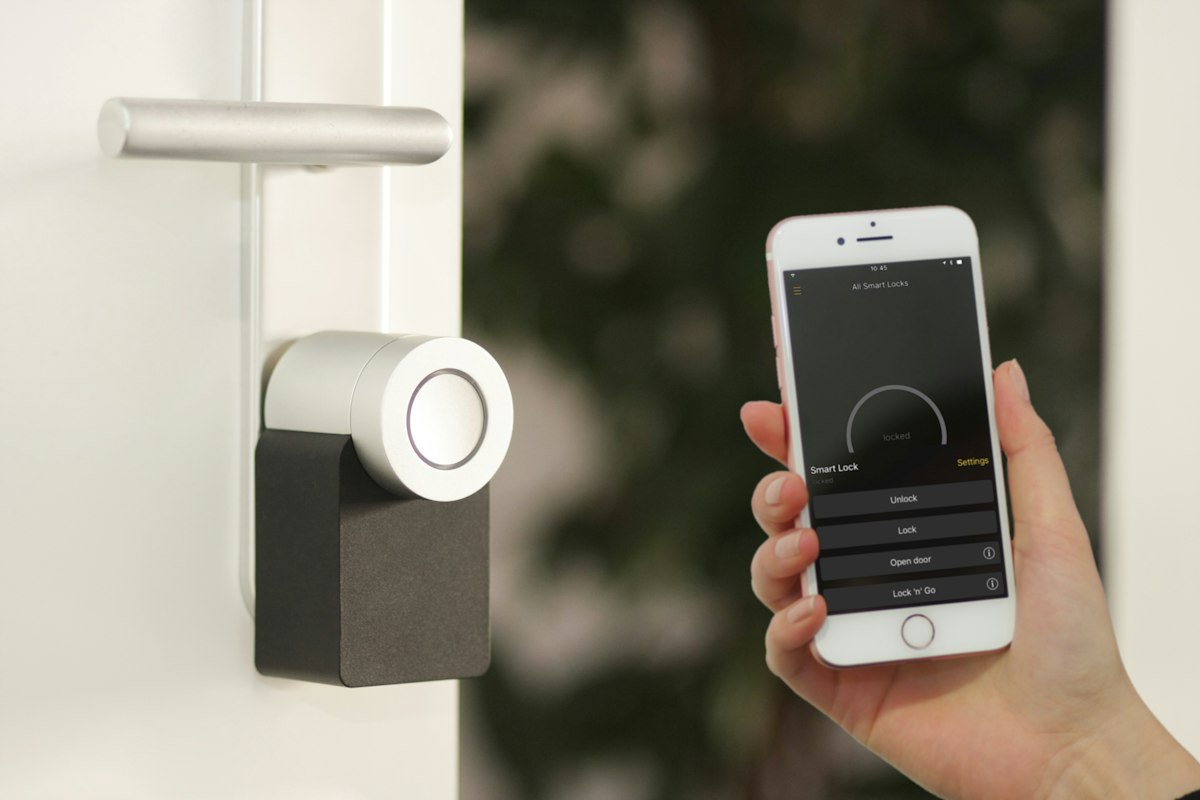

Smart residents expect smart living. They want predictable costs, transparent billing, and the freedom to control their own consumption. That’s exactly what Qube’s prepaid energy metering unlocks for PGs, hostels, co-living spaces, and staff accommodations. ⚡
Instead of waiting for end-of-month surprises, residents see usage in real time, recharge instantly, and choose how much to spend—all while property managers enjoy fewer disputes and improved cash flow. Let’s dive into how prepaid energy meters reshape both the resident journey and day-to-day property operations.
The Resident POV: From “Bill Shock” to Full Control

1. Real-Time Visibility Builds Trust
- Live balance, per-unit rate, and daily usage trends are at residents’ fingertips.
- Recharge history shows every top-up and deduction—no hidden charges.
- Alerts flag low balances before power cuts, so residents stay in control.
Transparency eliminates the “I don’t know how this bill happened” frustration that usually drives disputes.
2. Budget-Friendly Prepaid Recharges 😊
- Residents decide how much they spend—perfect for students, interns, and gig workers.
- No large bills at the end of the month; budgeting becomes a daily habit.
- Parents or employers can recharge remotely through Qube’s payment links.
Pair this with our prepaid recharge best practices to create a delightful payment experience.
3. Frictionless QR & App Payments

- Scan a QR code, pick an amount, pay via UPI/card/wallet—it takes seconds.
- Balances update instantly, even during peak usage hours.
- Residents receive digital receipts for expense tracking or reimbursements.
Digital payments reduce front-desk queues and empower residents to self-serve anytime.
4. Zero Billing Disputes, Happier Communities
- Everyone pays for exactly what they consume—no more sharing headaches.
- Automatic reconciliation ensures owners never overcharge or absorb unpaid dues.
- Tenants trust the property; word-of-mouth improves occupancy and retention.
According to Qube customer data, properties see up to 90% reduction in billing disputes within the first quarter of switching to prepaid metering.
5. Responsible Energy Behaviour 🌱
- Real-time dashboards incentivise residents to switch off unused appliances.
- Communities embrace energy challenges (best-performing floors, eco awards).
- Property-level consumption drops by 10–25%—better for bills and the planet.
Combine prepaid with sustainability programmes using our smart living analytics toolkit.
The Property POV: Automation + Insight = Efficiency
Prepaid energy doesn’t just delight residents; it gives property teams the automation and visibility they’ve always wanted.
1. Plug-and-Play Hardware
- Compact smart meters install in 10–15 minutes per room.
- Works seamlessly with grid, DG, and solar inputs.
- Tamper detection and load monitoring keep assets safe.
2. Automated Billing, Zero Headaches
- Meter readings feed directly into Qube’s billing engine—no manual effort.
- Prepaid top-ups sync with ledger systems for instant reconciliation.
- Hybrid support means staff quarters or long-term tenants can stay on postpaid if preferred.
3. Centralised Monitoring Across Properties
- Operators manage multiple PGs/hostels from one dashboard (see portfolio remote monitoring).
- Compare buildings, evaluate occupancy-adjusted usage, and spot outliers instantly.
- Role-based access ensures managers see their own properties while HQ oversees the entire network.
4. Cash Flow and Recovery Win ✅
- 100% payment collection—no more chasing dues from tenants who’ve moved out.
- Easily pro-rate refunds when residents leave mid-cycle.
- Keep track of energy revenue alongside rent and other charges.
Most operators recoup their smart meter investment within 6–9 months through time savings and improved recovery.
Case Study: UrbanStayz Co-Living (4 Properties, 220 Rooms)
Before Qube:
- Manual billing took ~60 staff hours/month per property.
- Residents complained about “unfair” shared bills; recovery was 84%.
- Management struggled to track DG vs. grid usage for pricing.
After Qube Prepaid:
- Automated billing reduced admin to 12 hours/month.
- Payment recovery hit 100%. Disputes dropped to almost zero.
- Energy consumption fell 18% thanks to resident awareness.
- Occupancy rose by 8% driven by positive resident reviews.
Implementation Roadmap
- Assess existing meters, wiring, resident mix, and billing policies.
- Pilot in one property/wing; validate data accuracy and recharge flows.
- Configure tariffs, grace periods, alerts, and prepaid thresholds.
- Train staff and residents—share quick-start guides, FAQs, and WhatsApp tutorials.
- Launch self-service channels; offer concierge support for the first recharge cycle.
- Monitor & Optimise with Qube analytics: identify high-usage rooms, adjust tariffs, and plan maintenance.
Resident Engagement Playbook 😊
- Mobile app onboarding: highlight how to view balance, recharge, and track savings.
- WhatsApp alerts: automated reminders for low balance and top-up success.
- Community challenges: reward rooms/floors that hit savings milestones.
- Feedback loop: collect resident input to refine communications and features.
- Parent/employer portals: optional access for third-party payers.
The more residents feel empowered, the less support your staff needs to provide.
Quick ROI Snapshot (150-Bed PG)
- Investment: ₹3.8 lakh (smart meters + setup + training).
- Annual benefits:
- Admin time saved: ₹3.6 lakh (30 hours/month × ₹1,000/hour × 12).
- Recovery uplift: ₹2.8 lakh (from 88% to 100% collection).
- Energy savings: ₹1.2 lakh (behaviour-led reduction of 12%).
- Total impact: ₹7.6 lakh → payback in ~6 months.
Scale this across multiple properties and the numbers compound fast.
Best Practices for a Smooth Rollout
- Standardise SOPs, meter labelling, tariff templates, and communication scripts.
- Automate support: use in-app chatbots or help centre articles for common questions.
- Track KPIs: recovery rate, average top-up size, balance levels, disputes.
- Combine data sources: pair energy analytics with occupancy, weather, or maintenance data for deeper insights.
- Iterate quarterly—adjust tariffs, nudges, and education based on usage trends.
Conclusion
Prepaid energy meters transform residents from passive bill payers into informed, empowered participants. They control their spend, trust the system, and embrace energy-conscious habits—while property teams slash admin work and guarantee cash flow.