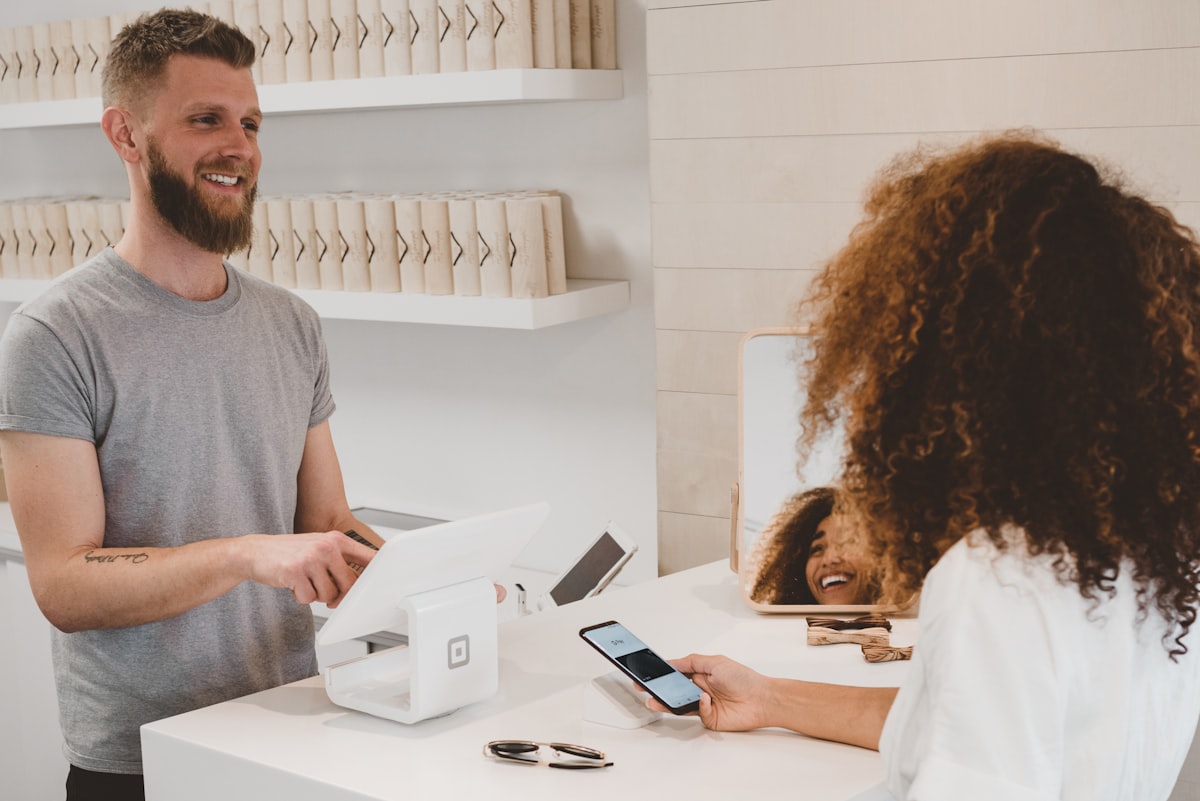

How Mobile Recharge via QR Codes Improves Tenant Engagement
Battling cash collections or limited recharge hours? Tenants expect digital-first experiences, and QR-based mobile recharges deliver exactly that. With Qube, residents top up their electricity wallet in under a minute, anytime, from any payment app. The result: higher satisfaction, proactive behaviour, and fewer support tickets. ⚡
This guide explores how QR recharge enhances tenant engagement, what metrics improve, and how to roll it out seamlessly.
1. Traditional Recharge Barriers
Before QR codes, tenants often had to:
- Track down the property manager to add balance.
- Wait until office hours or drop cash in envelopes.
- Deal with manual confirmations or delayed activation.
These friction points lead to last-minute top-ups, unexpected outages, and negative tenant experiences. Modern properties need 24/7, self-service recharge—QR codes make that possible.
2. What QR Recharges Unlock 😊
Convenience
- Scan the QR code posted on the meter, room door, or tenant app.
- Pay via UPI, card, wallet, or net banking; funds reflect instantly.
- No special app required—any smartphone camera + payment app works.
Total time per recharge? Usually 60–90 seconds. Residents love it.
Control & Independence
- Tenants choose when and how much to recharge; no waiting on staff.
- Parents/employers can top up remotely, even if they live abroad.
- Freedom for residents with irregular schedules (night shifts, students).
Transparency & Trust
- Real-time balance updates and receipts build confidence.
- Residents see exactly how much power they’ve consumed and paid for.
- Combined with the Qube tenant portal, engagement skyrockets.
3. Engagement Metrics That Improve
| Metric | Before QR | After QR |
|---|---|---|
| Recharge adoption | 50–60% (manual methods) | 95%+ use QR within 1 week |
| Recharge frequency | Large, infrequent top-ups | 40% more frequent recharges |
| Support tickets | “Need help recharging” | 60–80% fewer support requests |
| Power interruptions | Balance hits zero unnoticed | 80% reduction thanks to proactive top-ups |
| Satisfaction scores | Mixed sentiment | +40% improvement in tenant CSAT |
QR recharge isn’t just faster—it changes daily behaviour in a positive way.
4. Implementation Checklist ✅
- Generate QR Codes: one per meter/room, linked to tenant accounts.
- Display Clearly: stick codes near meters or doors; include a short URL as backup.
- Explain the Flow: short guide (poster, WhatsApp, video) on how scanning and payment works.
- Enable Multi-Channel Alerts: pair QR recharges with low-balance notifications so tenants recharge before cut-offs.
- Track Adoption: use analytics to monitor how quickly tenants migrate to digital.
Add enrolment to move-in checklists so every new resident understands the flow from day one.
5. Tips for Maximum Engagement
- Offer multiple payment options: UPI, cards, wallets, net banking—reduce friction.
- Set “recommended” recharge amounts based on typical usage to guide behaviour.
- Automate reminders before balance runs out (see payment recovery playbook).
- Provide support nudges: quick WhatsApp/FAQ responses during the first month.
- Celebrate digital wins: share usage stats (“500 QR recharges this month!”) to build community confidence.
Case Study: MetroStay Co-Living, Hyderabad
- Portfolio: 180 rooms; mix of students and working professionals.
- Before: manual cash/card recharges; 30% of top-ups happened after power cuts.
- After QR rollout:
- 98% adoption within 2 weeks.
- Average recharge time dropped from 6 minutes to 90 seconds.
- Top-ups increased by 42%, preventing outages.
- Support tickets about “how to recharge” fell by 78%.
- Tenant satisfaction scores improved from 3.6 → 4.8/5.
Owners also noted fewer escalations, since residents felt in control of their balance.
Integrating with Qube Prepaid & Analytics
- QR recharges sync with Qube’s prepaid metering to deduct balances instantly.
- Payment data feeds into finance systems, so reconciliation stays clean.
- Pair with energy usage insights to spot high-usage rooms and coach residents proactively.
Conclusion
QR-based recharges are more than a payment feature—they’re a tenant engagement booster. When residents can recharge anytime, anywhere, adoption soars, outages drop, and satisfaction climbs. Property teams save time, recover payments faster, and operate with fewer support headaches.